
Let’s face it, sustainability is the buzzword of the decade. From coffee shops going plastic-free to fast fashion brands launching “eco” collections, it feels like everyone’s jumping on the green bandwagon. I try to do my part with driving an EV car, having solar panels and having no gas in my house.
But here’s the million-pound question: is sustainability just a trendy marketing term, or is it a true ethos guiding how businesses operate? In a world where consumers are more switched on than ever and the planet’s future is in question, it’s time to dive into whether companies are practising what they preach or just painting things green.
What Does Sustainability Really Mean for Businesses?
Sustainability isn’t just about swapping plastic straws for paper ones (When they inevitably disintegrate is a small price to pay to make a big difference). At its heart, it’s about businesses adopting practices that are good for the environment, people, and the bottom line. Think about it like this: your company should be operating in a way that ensures future generations can still enjoy their cup of coffee without needing scuba gear due to rising sea levels.

But is this genuine change, or just another corporate strategy to attract customers? Let’s dig deeper.
Enter the B Corps: Where Sustainability Meets Accountability
If there’s one thing that stands out for accountability, it’s a B Corp certification. B Corps aren’t just spouting sustainability buzzwords; they’re legally required to put their money where their mouth is. These businesses are held to high standards when it comes to social and environmental performance, transparency, and accountability.
Take Ben & Jerry’s for example – they’re more than just ice cream (though my freezer would say I do love that bit of their business) – they’ve built a reputation for fighting climate change and promoting fair trade. These companies aren’t just talking the talk; they’re walking the eco-friendly walk – you can read about their pledge here: https://www.benjerry.co.uk/values/issues-we-care-about/our-climate-impact
If sustainability is part of your company’s DNA, getting B Corp certified is a way to say, “We’re serious about this,” without sounding like you’re jumping on the bandwagon.
Why Every Business Needs an ESG Strategy
Having a solid Environmental, Social, and Governance (ESG) strategy isn’t just for big corporations – it’s something every business, no matter the size, should consider. An ESG statement is like your business’s sustainability CV – it shows how you handle your environmental impact, how you treat people, and how transparent and ethical your operations are. It’s not just for show either; a strong ESG strategy can build trust with your customers and, importantly, with investors.
Today’s consumers are big on supporting brands that align with their values. According to research by Nielsen, a whopping 66% of global consumers are willing to spend more on products from companies that are committed to sustainability. So, if your business can demonstrate that you genuinely care about the environment, ethics, and good governance, you’re more likely to win over those value-driven customers (and let’s be honest, who wouldn’t want a few more loyal customers on board?).
Even better, a solid ESG approach can appeal to investors looking for businesses that are not only future-proof but also care about making a positive impact. Companies with strong ESG credentials often perform better in the long run—and as the old saying goes, slow and steady wins the sustainability race. There are even some companies that have rules in place to ensure they work with companies that have a strong ESG approach, so it puts you a cut above your competition.
Avoiding the Greenwashing Trap: No One Likes a Fake
While we all want to be that business – saving the planet one reusable coffee cup at a time – but it’s important to remember that consumers are pretty savvy these days. Nothing turns people off faster than a company that talks big about sustainability but fails to back it up (cough Volkswagen’s “Dieselgate” anyone?). No one likes being tricked, and the consequences of misleading claims can be both financial and reputational.
For example, in 2015, Volkswagen found themselves at the centre of a huge scandal when it was revealed they’d been manipulating emissions tests to make their diesel cars look cleaner than they actually were. The result? A massive loss of consumer trust and billions in fines. So, if you’re going to shout about your green credentials, make sure you’ve got the receipts to back it up.

The solution? Be transparent. You don’t have to be perfect – consumers don’t expect that. But they do expect honesty. If you’re on a sustainability journey and not quite there yet, say so. That kind of authenticity can build stronger relationships with your audience than pretending you’ve got it all figured out.
How Sustainability Attracts the Right Customers
It’s no secret that sustainability can be a major selling point for businesses when done right. Whether you’re an FMCG company focused on eco-friendly packaging, or an automotive brand shifting towards electric vehicles, integrating sustainability into your core operations can help attract customers who share your values.
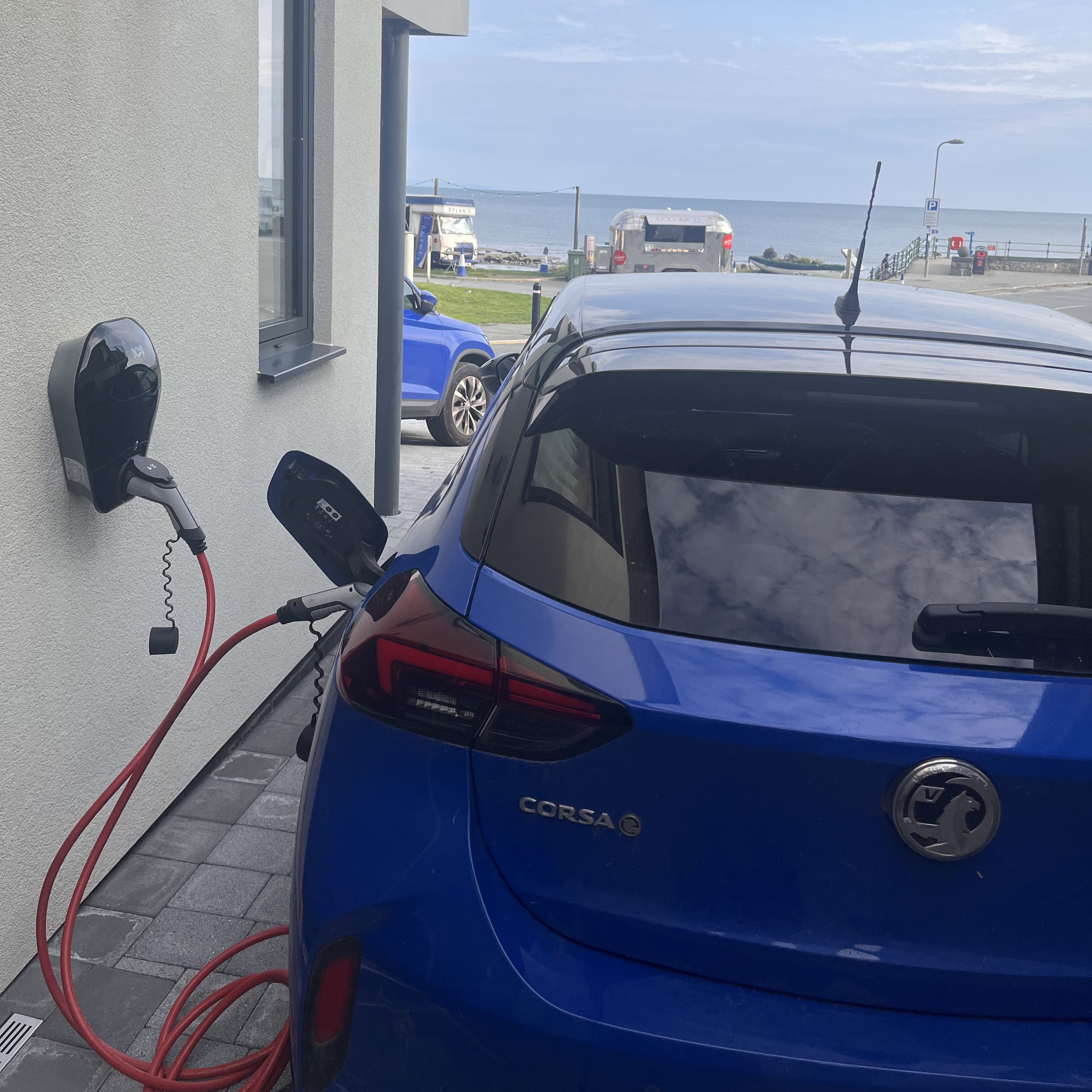
Take IKEA as a prime example. They’ve embraced a long-term commitment to sustainability, from sourcing sustainable materials to aiming for 100% renewable energy in their stores. This alignment with green values has made them the go-to furniture store for environmentally-conscious shoppers (not to mention their PAX wardrobe solution has been a game changer for my large volume of clothes..). Similarly, the rise of electric vehicle manufacturers shows how brands can capitalise on sustainability to build not just a product, but a movement. And yes, that’s a picture of my Corsa-e at an airbnb that had an wall charger just off the beach – game changer 😉
Here’s a quick breakdown of how different industries can use sustainability to attract customers:
- FMCG: Eco-friendly packaging and sustainable sourcing of materials. Take a look at Liquid Death and their #DeathToPlastic pledge.
- Automotive: Focus on electric and hybrid vehicles, with a nod to reducing carbon footprints. Take a look at BMW UKs ESG pledge (yes i’m biased as i’ve worked with BMW for the last 4.5 years..)
- Professional services: Ethical business practices and reducing waste in day-to-day operations. Deloitte have a Responsible business blog that explores the latest trends and insights in Global Risk Advisory, Cyber, Sustainability & Climate.
- Hospitality: Emphasis on reducing single-use plastics, using renewable energy, and sourcing local, sustainable ingredients. Radisson Hotels have great Responsible Business pillars of “Think People, Think Community, Think Planet.” and ensure these fundamentals are throughout their hotels and communities – you can even ensure you stay at an eco-labelled hotel.
The key takeaway? Align your sustainability efforts with your brand values, and make sure you’re walking the walk.
Don’t Forget the Human Touch
When it comes to sustainability, it’s important to remember that it’s not just about ticking boxes or meeting quotas. Customers want to see that there’s a genuine commitment to making the world a better place, and that comes down to your brand’s ethos, not just its marketing.
In Conclusion: Sustainability is far more than just a buzzword—it’s a powerful force that can shape the future of business. Those who embrace it as a core ethos, rather than a marketing gimmick, will not only gain loyal customers but also contribute to a healthier, more sustainable world. So, is your business ready to make sustainability more than just a trend? The planet—and your customers—are waiting. business truly sustainable, or are you just hopping on the bandwagon? The answer could make all the difference.
 KatCreations