
Ah, the humble blog. Remember when everyone thought blogs were just online diaries where we shared what we had for breakfast (marmite on crumpets, in case you were wondering)? Fast forward to today, and they’ve evolved into one of the most powerful tools in a marketer’s arsenal. But with video, podcasts, and TikTok dancing their way into our lives, some may wonder: are blogs still relevant in marketing? In short: yes, yes they are (and i’m not just saying that because i’ve decided to start writing one). But let’s dive into why they matter and how they’re still pulling their weight in 2024.
Giving Your Brand a Voice (Not Just a Fancy Logo)
In a sea of brands vying for attention, it’s important to stand out—and one way to do that is by giving your brand a voice. A blog allows you to show off your brand’s personality, values, and expertise in a way that a simple ad or social media post just can’t.
Blogs allow you to humanise your business. In a world where consumers are more discerning than ever, they want to know what you stand for, not just what you’re selling. A blog can be a place where you share insights, tell stories, and show customers that you’re not just a faceless corporation. And that builds brand loyalty like nothing else.

SEO: The Secret Sauce of Blogs
Now, let’s get a bit technical. Search engine optimisation (SEO) is one of the main reasons blogs are still so valuable. Google loves fresh, relevant content, and what better way to feed the Google beast than with a regular blog? Each blog post is an opportunity to include keywords, answer customer questions, and improve your chances of showing up in search engine results (if you want to know more about SEO, take a look at my other blog post: The Importance of SEO in Websites.
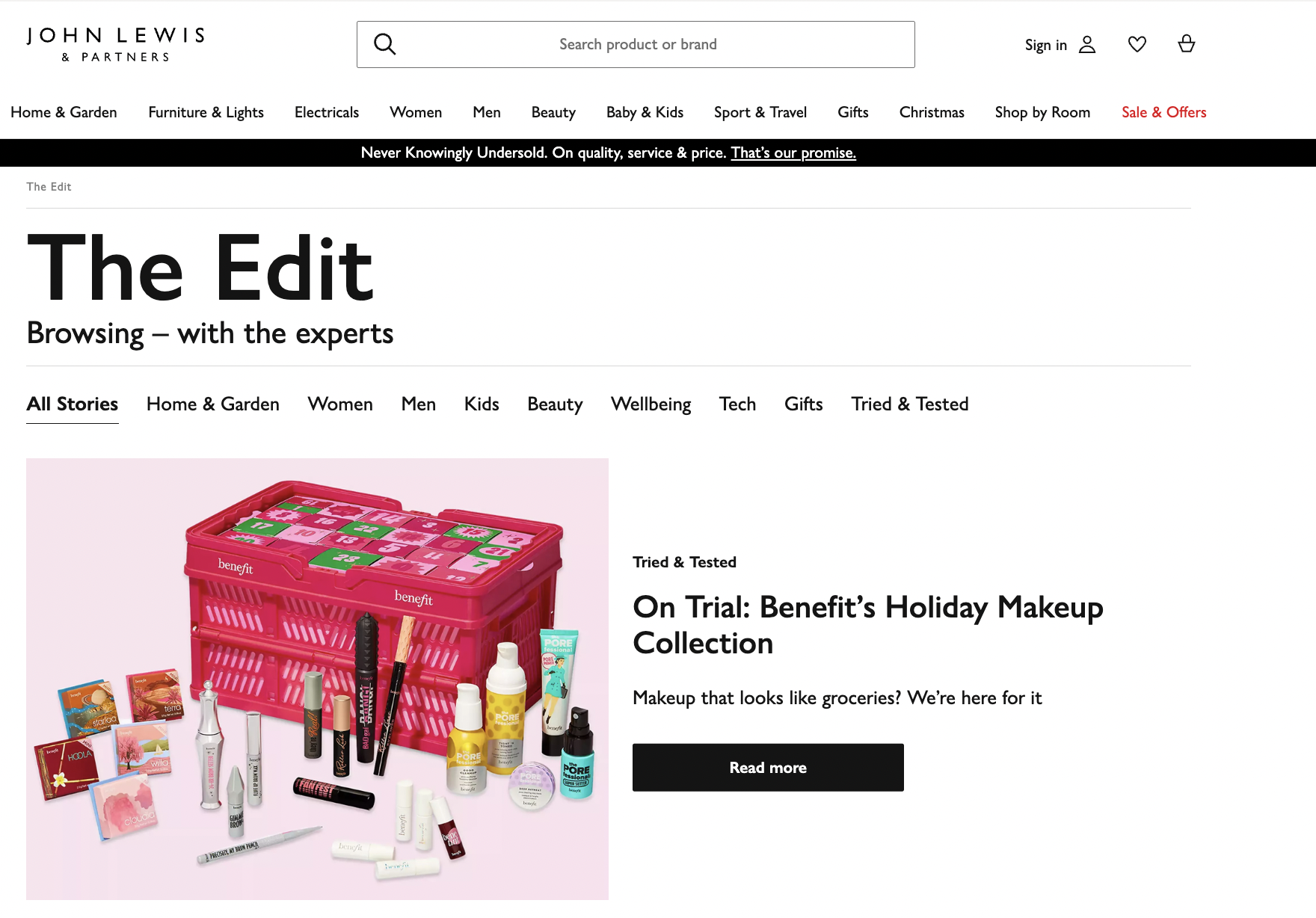
John Lewis has a fantastic blog, The Edit, where they cover everything from home décor tips to Christmas gift guides. It’s not just for show—those blog posts are packed with keywords and useful information that help them rank higher in search results. So when you’re searching for “how to create the perfect Christmas table setting,” guess who’s popping up?
Blogs give businesses a reason to keep their websites updated, relevant, and visible.
Expertise, Authority, Trust: Why E-A-T Matters
Speaking of Google, it’s all about E-A-T these days. No, not what you had for lunch (again, if you’re wondering, itsu veggie gyozas…) – Expertise, Authority, and Trust. Google’s algorithm favours content that shows you know your stuff, and blogs are a great way to demonstrate that. Regularly publishing insightful, well-written content can position your brand as an industry leader.
For example, MoneySavingExpert is a fantastic example of a brand that’s built incredible trust through its blog. It’s filled with helpful guides, tips, and insights, and because it consistently provides value, it’s become a go-to source for financial advice.
Blogs like this build authority, and when customers trust your expertise, they’re more likely to turn to you when they need a product or service.

Blogs: The Perfect Long-Game Play
One thing to caveat is that blogs are not a quick win. A blog post you write today might still be generating traffic (and customers) months or even years down the line. And that’s something that short-lived social media posts can’t compete with.
Plus, blogs are shareable. If you create content that’s genuinely helpful, funny, or insightful, people will want to share it. A well-written blog can spread across social media, be referenced in articles, and even spark discussions in forums (hello, free marketing!). One good blog post can have a ripple effect that extends far beyond your initial audience.
Different Brands, Different Blogging Approaches
Here’s where it gets fun—no matter what type of business you run, there’s a blog strategy that works for you. Let’s look at a few examples:
- FMCG brands like Lush have blogs that focus on their ethical practices and the stories behind their products. Their audience loves learning about how their favourite bath bombs are made and the people behind the brand.
- Hospitality brands like Premier Inn posts about travel tips, destination guides, and guest stories. They’re not just a place to sleep—they’re part of your travel experience.
- Professional services brands like PwC use blogs to showcase thought leadership, industry insights, and business advice. Their blog establishes them as the experts you want to call when you’re facing a big business decision.
- Government initiatives (like the GOV.UK blog) use blogging to communicate with citizens, sharing everything from policy changes to public health advice. In this case, the blog is a vital tool for transparency and building trust.
Blogs Build Your Brand’s Community
Blogs aren’t just a place to throw around keywords—they can help build a community. When people read your blog, they’re interacting with your brand in a way that feels personal. Whether they leave comments, share it on social media, or just quietly nod along, they’re engaging with you in a meaningful way.
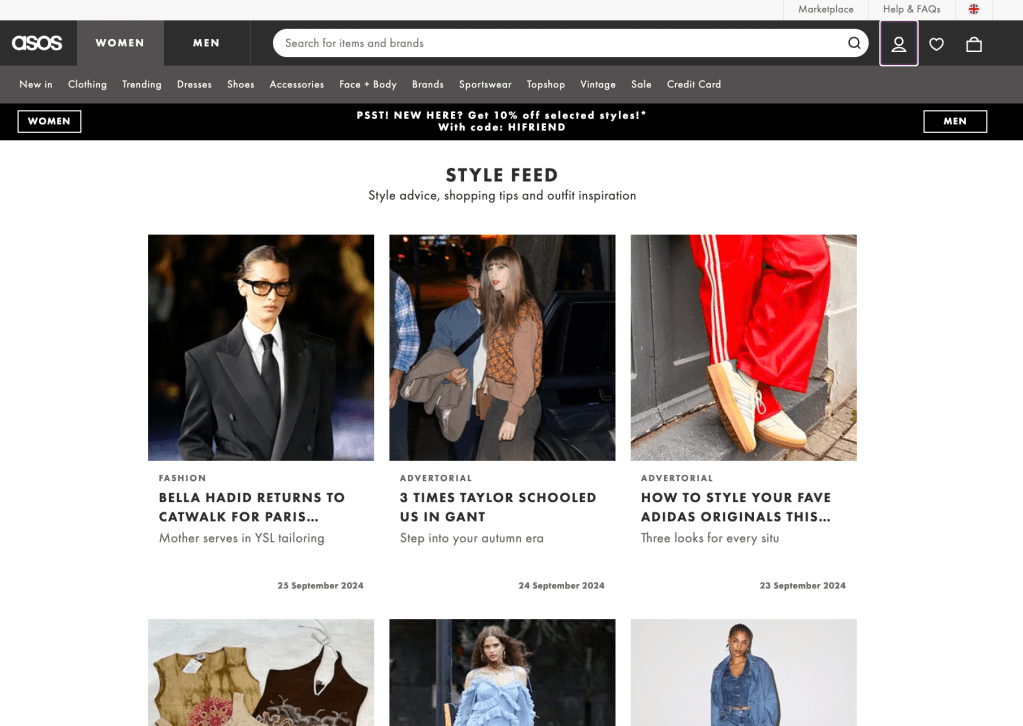
Consider how ASOS uses ‘The Style Feed’ to talk about fashion trends, style tips, and behind-the-scenes content. It’s not just about selling clothes—it’s about building a community of fashion-conscious readers who trust ASOS to keep them in the loop.
When your customers engage with your blog, they’re investing in your brand. And that kind of investment? It leads to loyalty, advocacy, and (you guessed it) more sales.
So, Are Blogs Still Relevant in Marketing?
In a world where new marketing trends pop up every week, the blog remains a cornerstone of a solid digital strategy. Whether it’s building SEO, establishing authority, or creating community, blogs are far from outdated. So, dust off that keyboard, get creative, and start sharing your brand’s voice (Or personal voice, in the case of me..!).
Because, in the world of marketing, a great blog post is still worth its weight in… Google rankings.
 KatCreations