
We’ve all seen the movies — AI becomes self-aware, and next thing you know, it’s sending out Terminators to track down Sarah Connor. But fear not – while AI in marketing has some serious power, it’s not going to go full Skynet on us (hopefully). In fact, when used correctly, AI can supercharge your marketing efforts, making your campaigns smarter, more efficient, and more personalised. But like with any powerful tool, there are some do’s and don’ts to keep things human, authentic, and — most importantly — successful (and for full transparency, yes I did get some help shaping this post!).
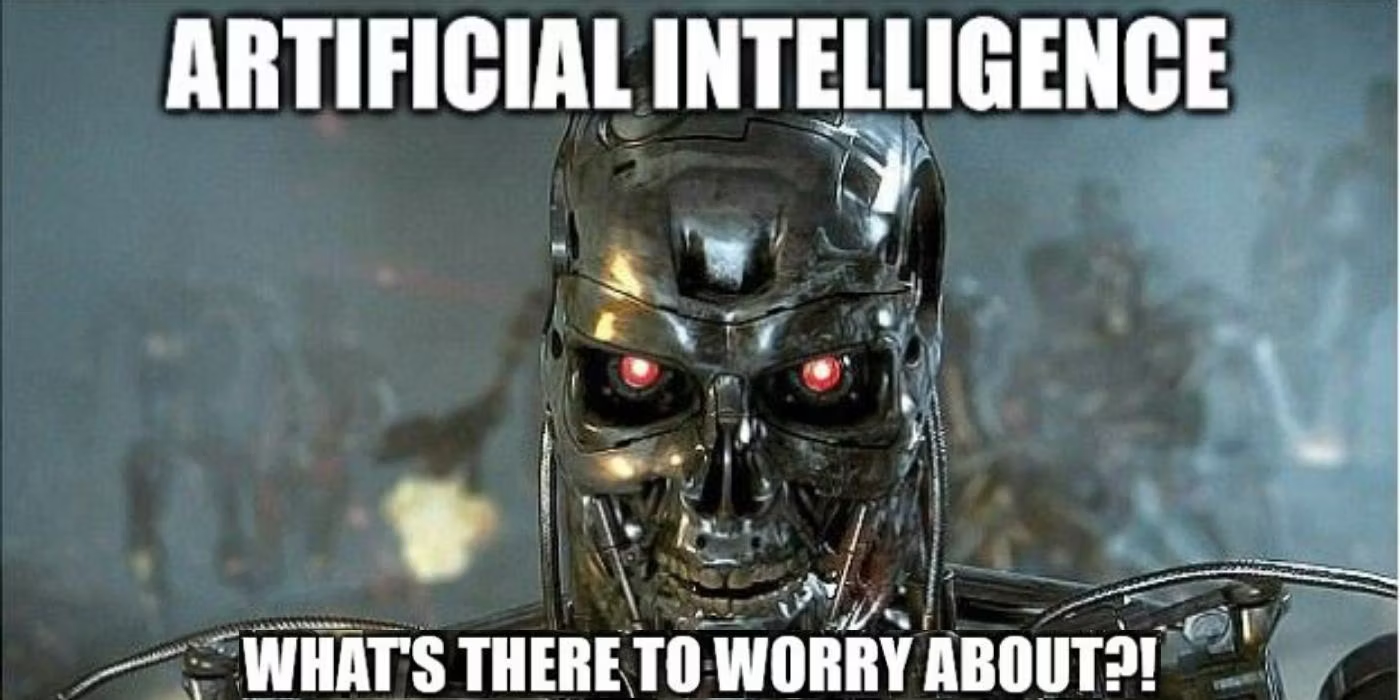
Let’s dive into the benefits of AI in marketing, but also explore what not to do if you don’t want your brand to feel like it was crafted by a robot.
What is AI in Marketing Anyway?
First things first, AI in marketing is basically the use of artificial intelligence technologies such as Chat GPT, or AI conversational models to improve your marketing strategy. Whether it’s automating tasks, analysing data, or even generating content, AI can take on a variety of roles.
From predictive analytics that anticipate your customers’ next move, to chatbots that can answer questions faster than you can type “customer support,” AI is already changing the game.
The Benefits: AI Is Here to Help (Not Replace You!)
AI isn’t coming for your job (not yet anyway..) — it’s here to make your job easier. Here are a few reasons why it’s worth adding some AI tools to your marketing toolkit:
1. Automation Makes Life Easier
One of the biggest advantages of AI is automation; it can help you schedule social media posts or even personalise email campaigns. These time-consuming, repetitive tasks can be arduous at times, and AI can help you do this with scalability and efficiency, leaving you free to do the creative, strategic work that really moves the needle (like brainstorming your next brief or whether it’s acceptable to post a video of your dog on your clients page).
But just because AI can automate, doesn’t mean you should go on full auto-pilot and please for the love of God, proof, proof and proof again.
2. Personalisation at Scale
Ever receive an email that feels like it was written just for you? Yeah, that’s the magic of AI-powered personalisation. AI can sift through tons of data about your audience (like their buying habits, preferences, and even browsing history) to send them tailored messages that actually resonate.
However, personalisation shouldn’t feel creepy – there’s a fine line between helpful and invasive. While AI can crunch the data and suggest what your customer might want, you still need to inject a human touch to keep things authentic. No one wants to feel like they’re being stalked by their inbox or by an ad (I had one pop up on instagram the other day that asked me if I was 32 and without life insurance – hello 1984..) and make sure you QA properly before you send, otherwise you might end up sending a personal email to someone it wasn’t intended for.
3. Data-Driven Decisions
If you know me, you’ll know i’m a huge spreadsheet fan – send data my way and i’ll manipulate it any which way I can (and if I need a pivot table or a vlookup then just try and tear me away from it…). However, AI excels at analysing massive amounts of data at lightning speed and it can help you understand which campaigns are working, which need tweaking, and where your next marketing opportunity might lie. It’s like having a marketing crystal ball—minus the mystical fog.
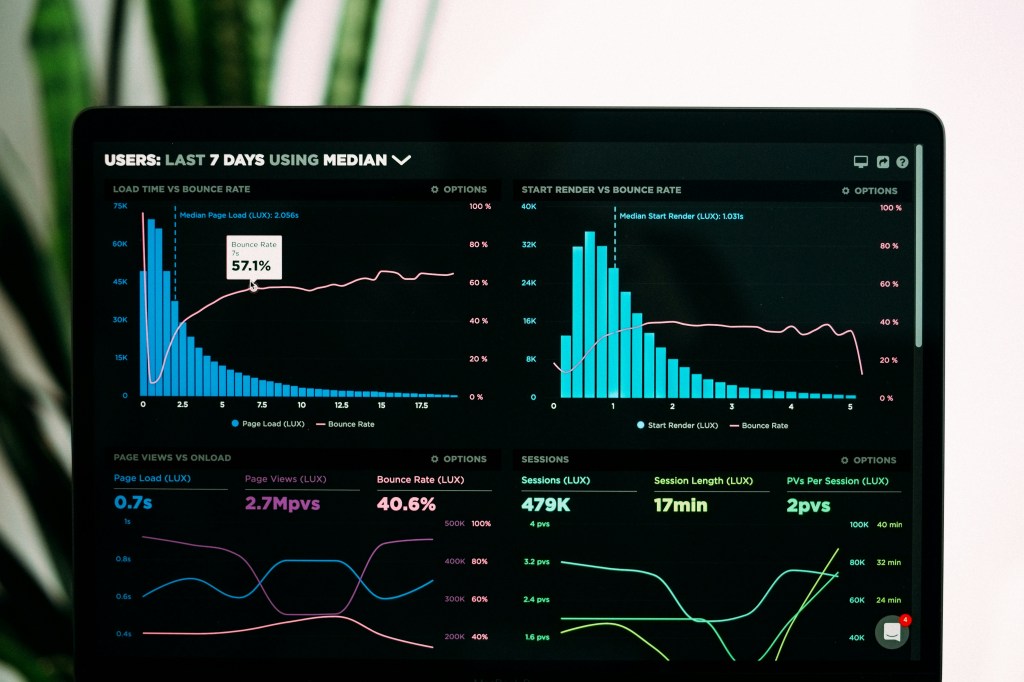
With AI, you can easily track customer behaviour, monitor trends, and make data-driven decisions that take the guesswork out of your strategy. However, there’s a catch: data is only as good as the interpretation behind it. AI can spit out insights, but it’s up to you to use them wisely (and not let your marketing strategy feel like it’s being run by a supercomputer with no soul – and again, did I mention how much I love a spreadsheet and wouldn’t want anything to come between us?).
The Human Factor: Transparency, Personalisation, and Localisation
AI is super convenient at times, but it’s not a “set it and forget it” solution. To keep your marketing human, there are a few important principles you need to follow — especially if you want to avoid sounding like a robot.
1. Be Transparent
AI can make your life easier, but your customers still want to know when they’re interacting with a machine vs. a human. Transparency is key. If you’re using AI chatbots or automated email responses, it’s important to let people know. No one likes being tricked into thinking they’re talking to a person when it’s really a bot behind the curtain and even better let people talk to a human if they want to.
2. Personalise, but Don’t Overdo It
Yes, AI can personalise content at scale, but personalisation still needs to feel authentic. If your email subject lines sound too forced it can turn people off. Keep it natural, and remember that humans are at the other end of your marketing efforts (and if you’re using dynamic tags for emails, make sure these actually populate correctly with names – I’ve seen ‘Dear First Name’ and ‘Dear White Kat’ a few too many times to count…).
3. Localisation: Speak Their Language
If you’re marketing globally, localisation is key. AI can help you translate and tailor content to different languages, regions, and cultures. But again, it’s important to strike the right tone and ensure that your marketing messages resonate with local audiences. A mistranslated slogan or culturally inappropriate meme can cause more harm than good so always consult with native speakers before you do something you can’t take back.
What Not to Do: Avoid These AI Marketing Pitfalls
Now that we’ve covered the Pros, let’s talk about the AI marketing Nos. There have been several instances where companies in the UK have faced issues by not proofing AI-generated content, resulting in misleading or incorrect information. For example, the UK Advertising Standards Authority (ASA) has upheld numerous complaints where marketing communications provided inaccurate information or made exaggerated claims, often due to reliance on AI without proper oversight. You can check out the advice on the ASA website here.
1. Don’t Go Full Robot
Automating everything sounds tempting, but it can make your brand feel impersonal. Customers still crave human connection, so make sure you’re striking a balance. If every interaction with your brand feels robotic, you’re missing out on building real relationships and in turn, brand loyalty.
2. Avoid Over-Automating Your Content
Sure, AI can generate content quickly, but that doesn’t mean you should rely on it for every blog post, tweet, or email. AI-generated content can sometimes feel generic, and if you’re not careful, it can even lead to some awkward phrasing or off-brand messaging or even incorrect information if it’s not used correctly. Your audience can tell when something lacks heart, so make sure to review and refine AI-generated content to keep your voice intact.
3. Don’t Ignore Ethical Concerns
AI-powered marketing tools collect and analyse huge volumes of data, and with that comes responsibility. Be mindful of privacy concerns, and always stay transparent about how you’re using customer data. The last thing you want is to be on the wrong side of a privacy scandal (unless you enjoy awkward PR disasters) so make sure you’ve got a solid GDPR/Privacy policy in place before you even think about going down this avenue.
AI Won’t Be Sending Terminators Anytime Soon (But It Could Send the Perfect Email)
At the end of the day, AI in marketing is a game-changer when used correctly. It can save you time, help you connect with your audience in meaningful ways, and make data-driven decisions that lead to better results. But like any tool, it needs to be used responsibly, and with a healthy dose of human oversight.
So, while AI isn’t going to take over the world (hopefully), it’s definitely worth having in your marketing toolkit. Just remember: transparency, personalisation, and a little common sense go a long way in making sure your marketing stays authentic.
And whatever you do, don’t let AI become Skynet. We’ve all seen how that ends.
 KatCreations